Fencing is an asymmetrical sport which, over time, can lead to muscle and functional imbalances that are often not apparent during training or competition.
During the épée week of the “Valles” Fencing Camp 2026, participants over the age of 14 will have access to an advanced functional assessment to analyze strength, power, and asymmetries, with the goal of improving performance and reducing the risk of injury.
This service is provided in collaboration with City Clinic, an orthopaedic and rehabilitation centre in South Tyrol, which will provide specialist expertise and equipment.
Participation is free of charge, but places are limited, so you are required to register using the designated form.
The data collected will provide a clear picture of your current fitness level. You’ll be able to identify exactly which areas need strengthening in the gym to protect your body and optimize your performance on the platform.
🎯
Technical Assessment
Analysis of the athlete’s key technical and functional aspects.
📈
Athletic Assessment
Measurement of neuromuscular capacity and strength.
📋
Customised Report
Practical tips for improving performance and reducing the risk of injury.
Places are limited to ensure a personalised assessment.
MINIMUM AGE REQUIREMENT: 14 YEARS OLD!
Berghotel Hofer - Seilbahnplatz, 25, 39037 Maranza BZ
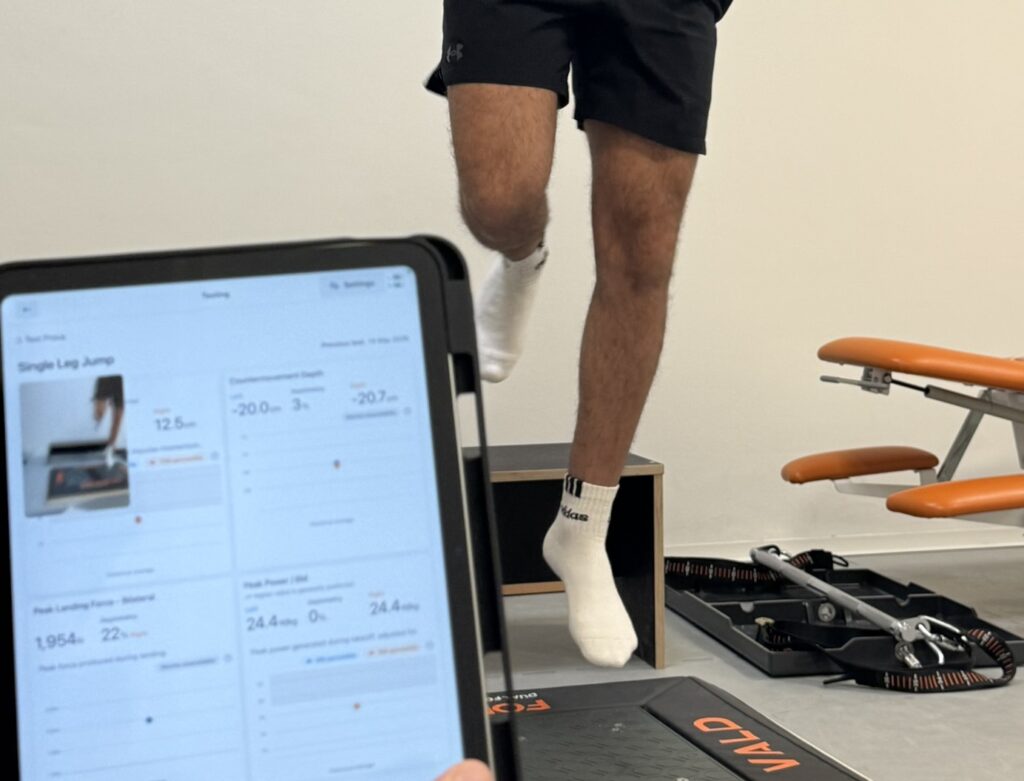
You will perform a series of vertical jumps (both two-legged and single-legged) on special computerised platforms. These devices do not simply measure the height of the jump, but analyse the way your body generates and manages force through your lower limbs.
They enable you to assess your explosive and elastic strength, your power and your responsiveness. Furthermore, they highlight, with millimetre precision, any differences in thrust between one leg and the other (asymmetry), a critical factor in injury prevention.
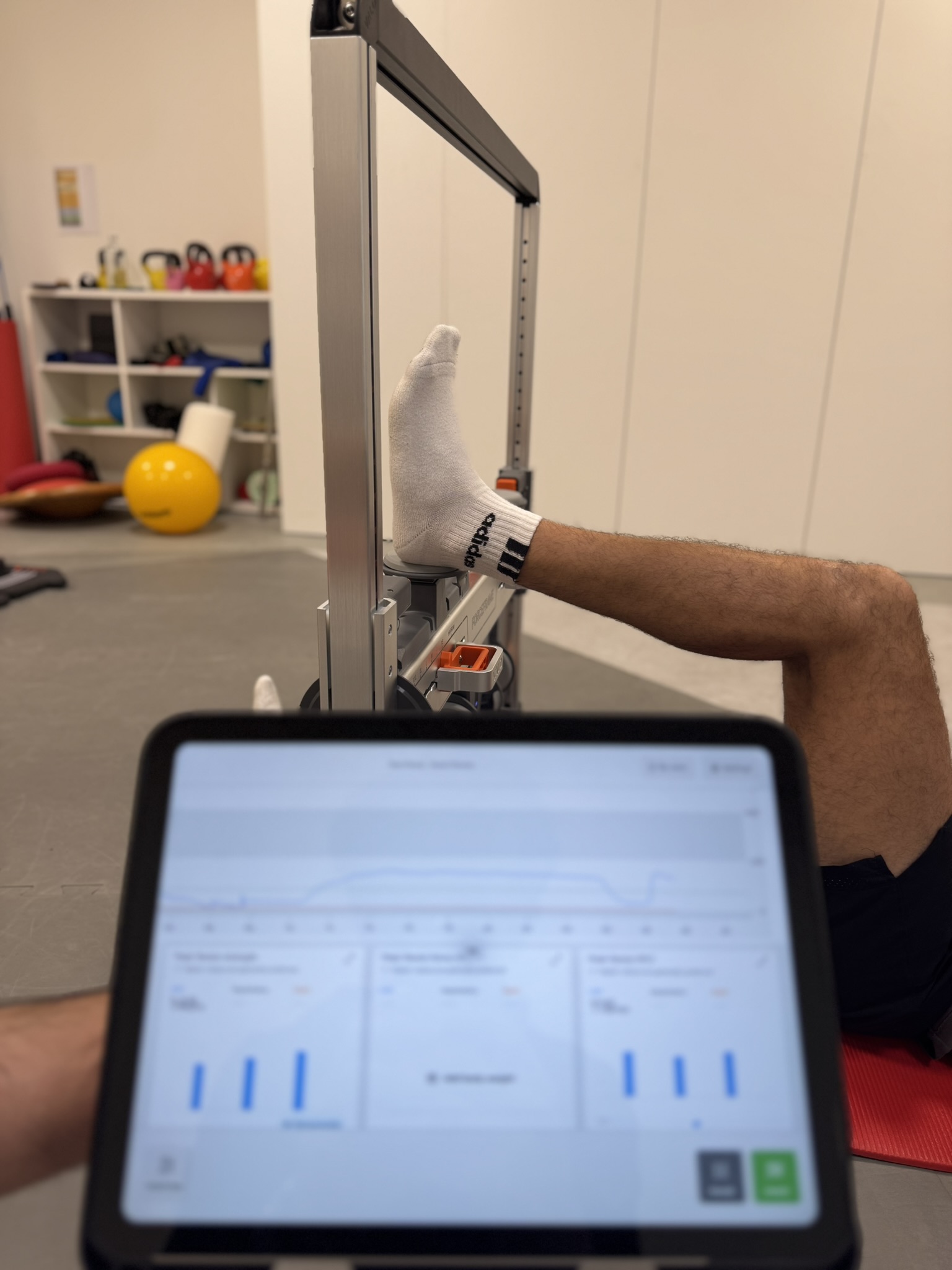
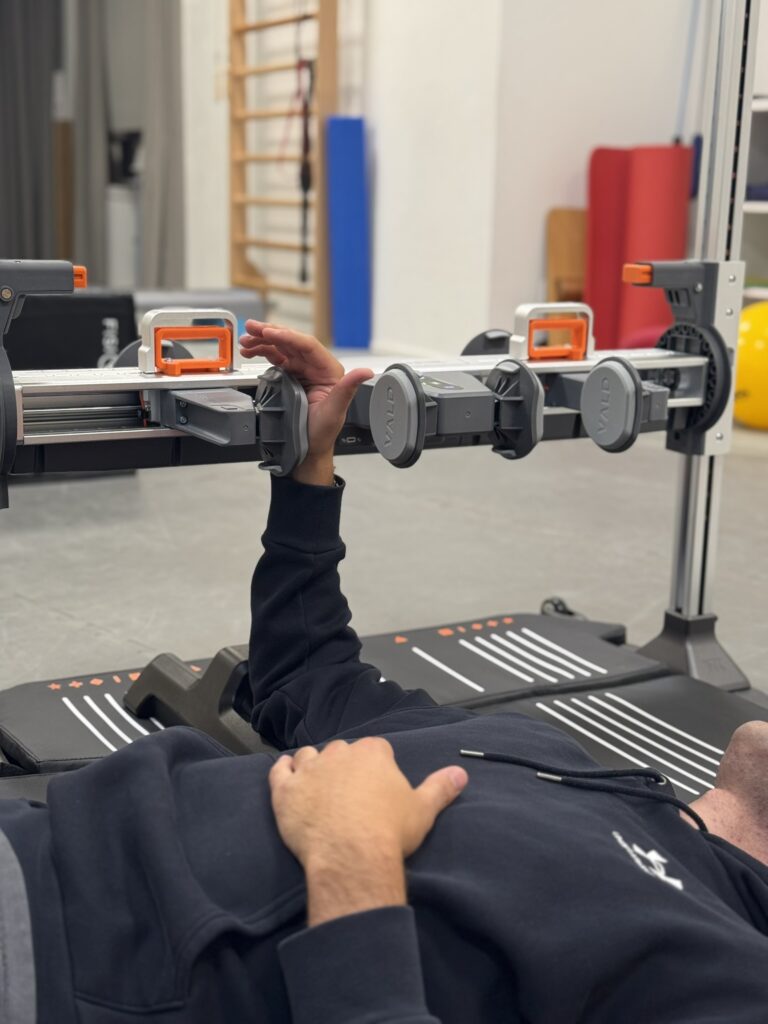
Using high-precision digital sensors, we will measure the maximum force your muscles can generate against a fixed resistance. We will carry out a series of tests involving both your lower and upper limbs to establish an overall picture of your strength.
They measure the actual strength of the muscle groups most heavily used in fencing. This helps to determine whether your muscles are ready to cope with the pace of competition and whether there is a proper balance between agonist and antagonist muscles, as well as between the right and left sides of the body.